Comparison
Gas vs electric vs propane furnace: which fuel for your home?
For Oxford County homes with natural gas at the curb in 2026, natural gas furnaces win on operating cost. Rural without gas? A heat pump beats electric resistance by 2-3× efficiency. Propane fills the gap when a heat pump isn't practical. Here's the actual fuel-cost math.
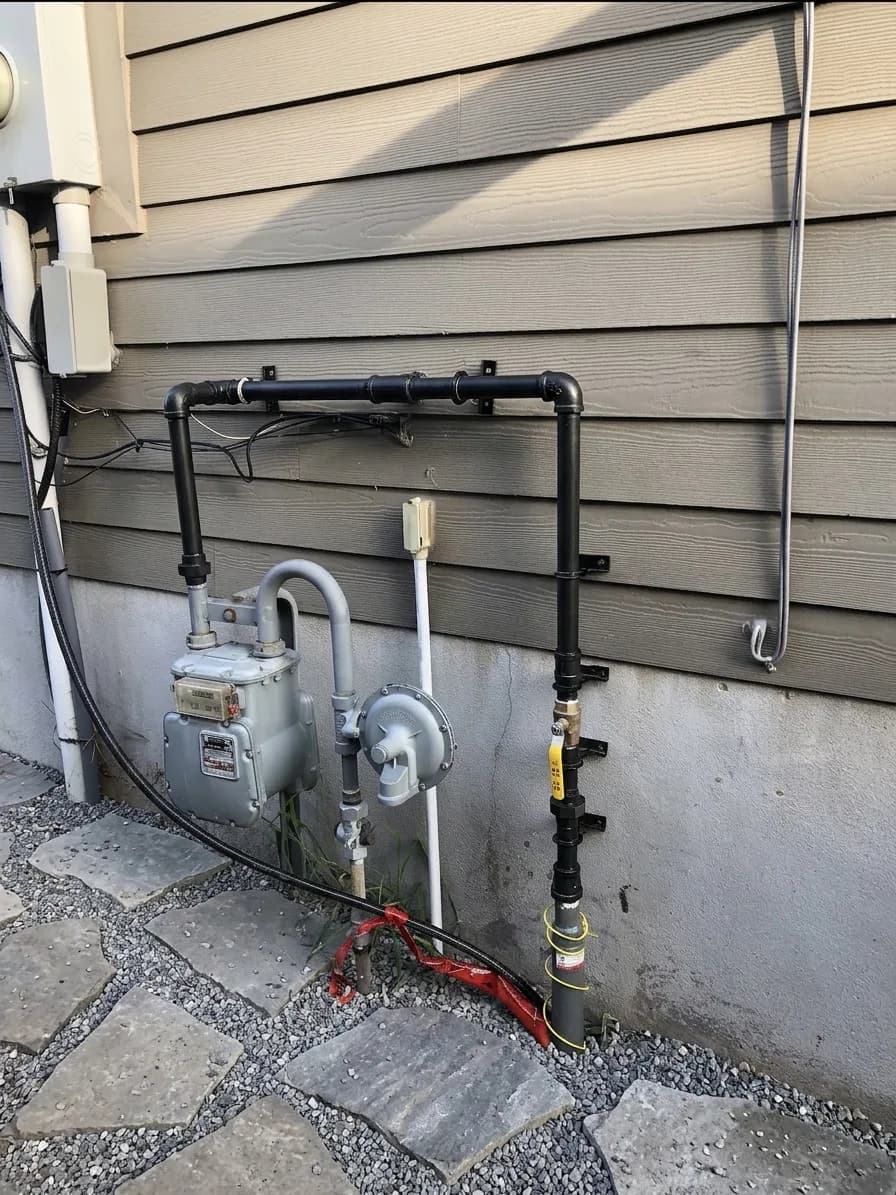
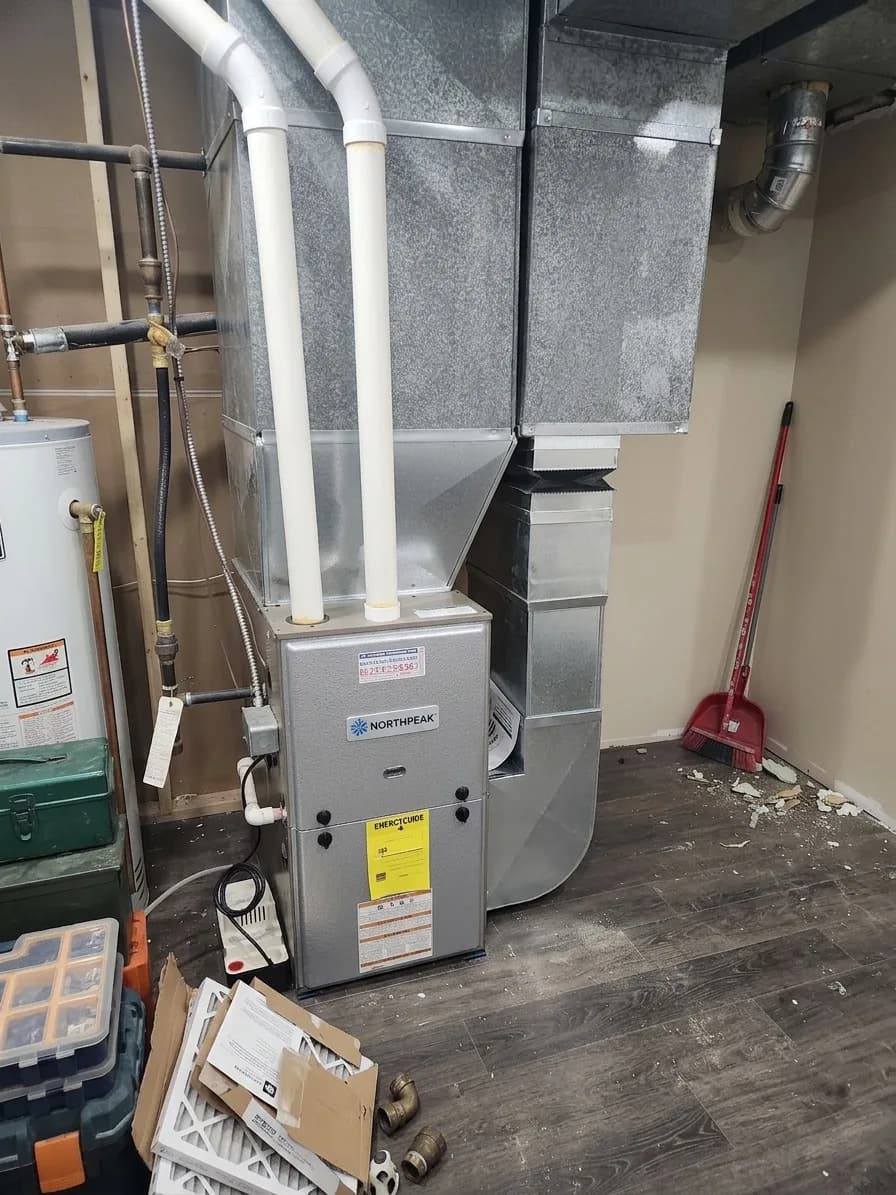
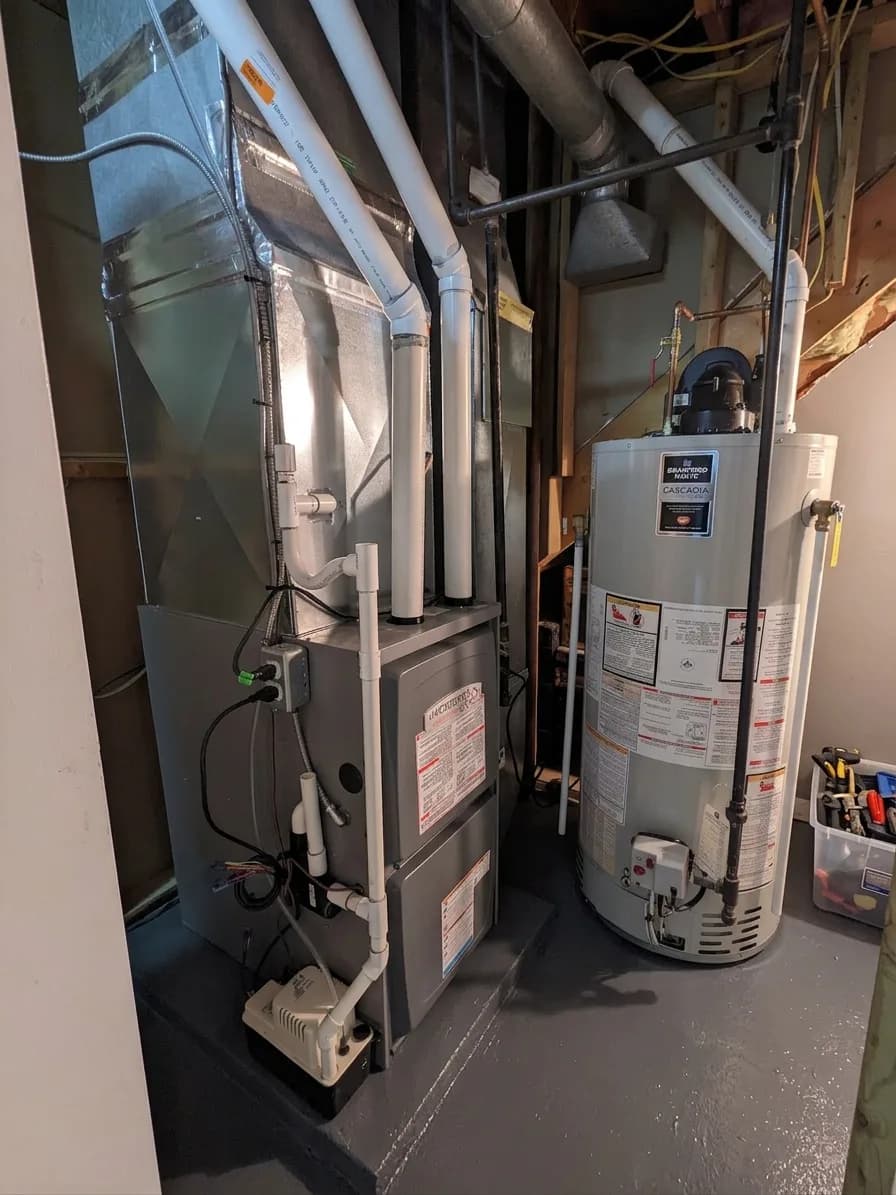
For most Oxford County homes with a natural gas line at the curb in 2026, natural gas is still the right furnace fuel — it's the cheapest per BTU of heat delivered, the equipment is the most refined, and Enbridge service is reliable. For rural properties without a gas line, propane and electric furnaces are the realistic options, with a heat pump increasingly being the smarter choice over an electric furnace because it's 2-3 times more efficient at converting electricity to heat. Cold electric resistance furnaces are now mostly a backup or supplement, not a primary heat source. This guide breaks down the actual cost math, install differences, lifespan, and when each fuel makes sense.
If you're building new or replacing an existing furnace and weighing fuel choice, this is the conversation we'd have at your kitchen table. The decision isn't close for most Oxford County homes — but the cases where it's genuinely a coin flip are worth knowing.
The short version: which fuel for your situation
| Situation | Best primary heat source | Why |
|---|---|---|
| Natural gas at the curb | Natural gas furnace (96%+ AFUE) | Cheapest fuel per BTU, lowest install cost, refined equipment |
| Rural, no gas service | Heat pump (cold-climate) | More efficient than electric resistance, no fuel delivery, current rebates |
| Rural, no electrical capacity for heat pump | Propane furnace | Cheaper than electric resistance, fuel deliverable anywhere |
| All-electric / off-grid context | Heat pump primary, electric backup | Best electric efficiency available |
| Existing oil furnace replacement | Heat pump or propane | Oil is being phased out, both are better long-term |
The honest answer for most of Oxford County: if you have natural gas, install a gas furnace. If you don't, install a heat pump with whatever backup the electrical situation allows.
Cost per BTU of heat delivered
The way to compare fuels fairly is dollars per BTU of heat actually delivered into your home — accounting for the efficiency of the equipment converting fuel to heat. Rough Ontario 2026 numbers:
| Fuel | Equipment efficiency | Cost per million BTU delivered |
|---|---|---|
| Natural gas (96% AFUE furnace) | 96% | $9-$13 |
| Heat pump (cold-climate, mild winter) | 250-350% (COP 2.5-3.5) | $10-$18 |
| Propane (96% AFUE furnace) | 96% | $25-$40 |
| Electric resistance (100% efficient) | 100% | $33-$48 |
| Oil furnace (87% AFUE) | 87% | $35-$55 |
Numbers are rough Ontario averages. Your actual bill will land somewhere in the range depending on Enbridge / Hydro One / local propane / fuel oil rates in your area at the time of purchase. Heat pump efficiency drops in deep cold — the "mild winter" number assumes average Oxford County temperatures; deep January cold pushes the cost up.
The key insight from this table: natural gas and heat pumps are within striking distance of each other on operating cost, and the gap widens significantly versus propane and electric. That's why the heat pump conversation is so active in Ontario — for homes without natural gas, the heat pump beats every other electric option by a wide margin.
Install cost differences
Equipment cost is part of the equation but not the whole story. Setup cost matters too — running new gas lines, upgrading electrical service, installing chimney liners.
| System | Typical Oxford County install cost (2026) |
|---|---|
| 96% AFUE gas furnace (like-for-like replacement) | $4,500-$9,500 |
| 96% AFUE propane furnace (like-for-like replacement) | $5,200-$10,500 |
| Electric resistance furnace (new install) | $3,500-$6,500 |
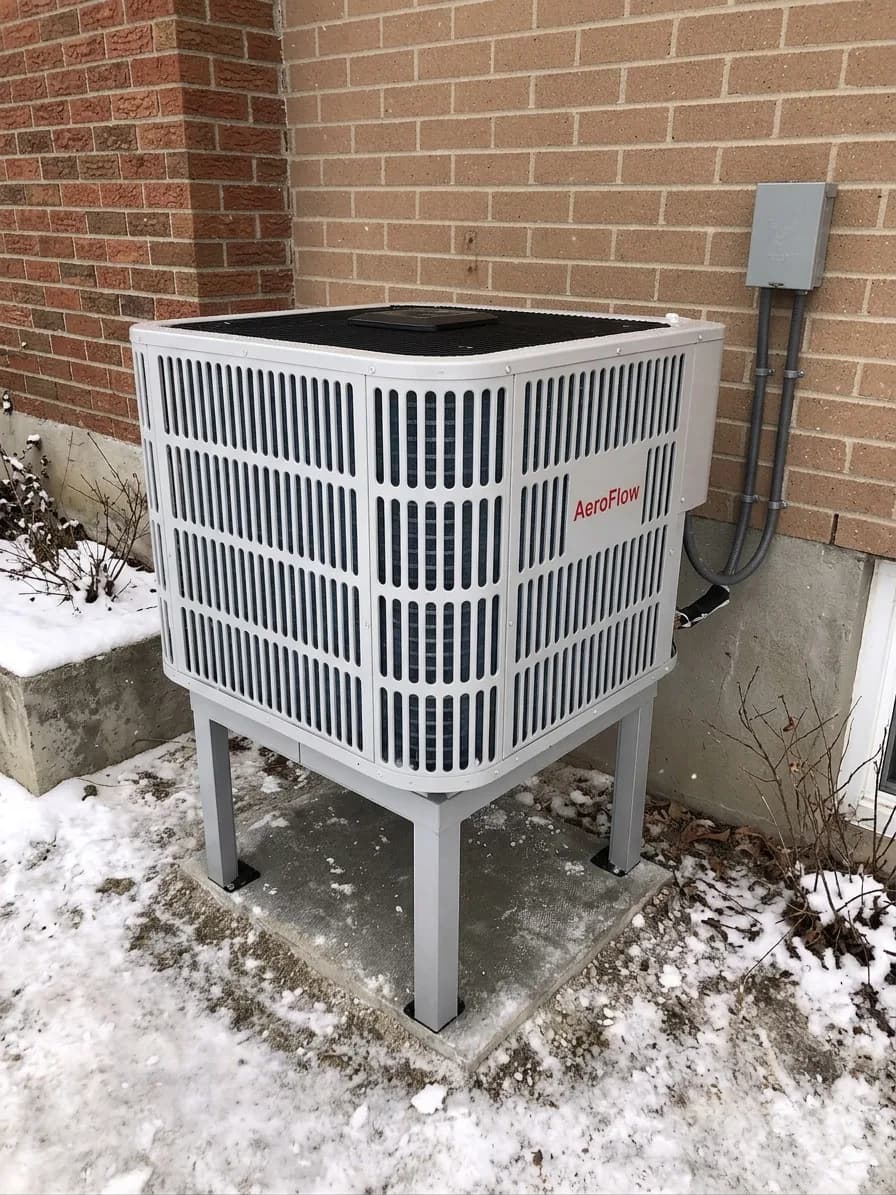
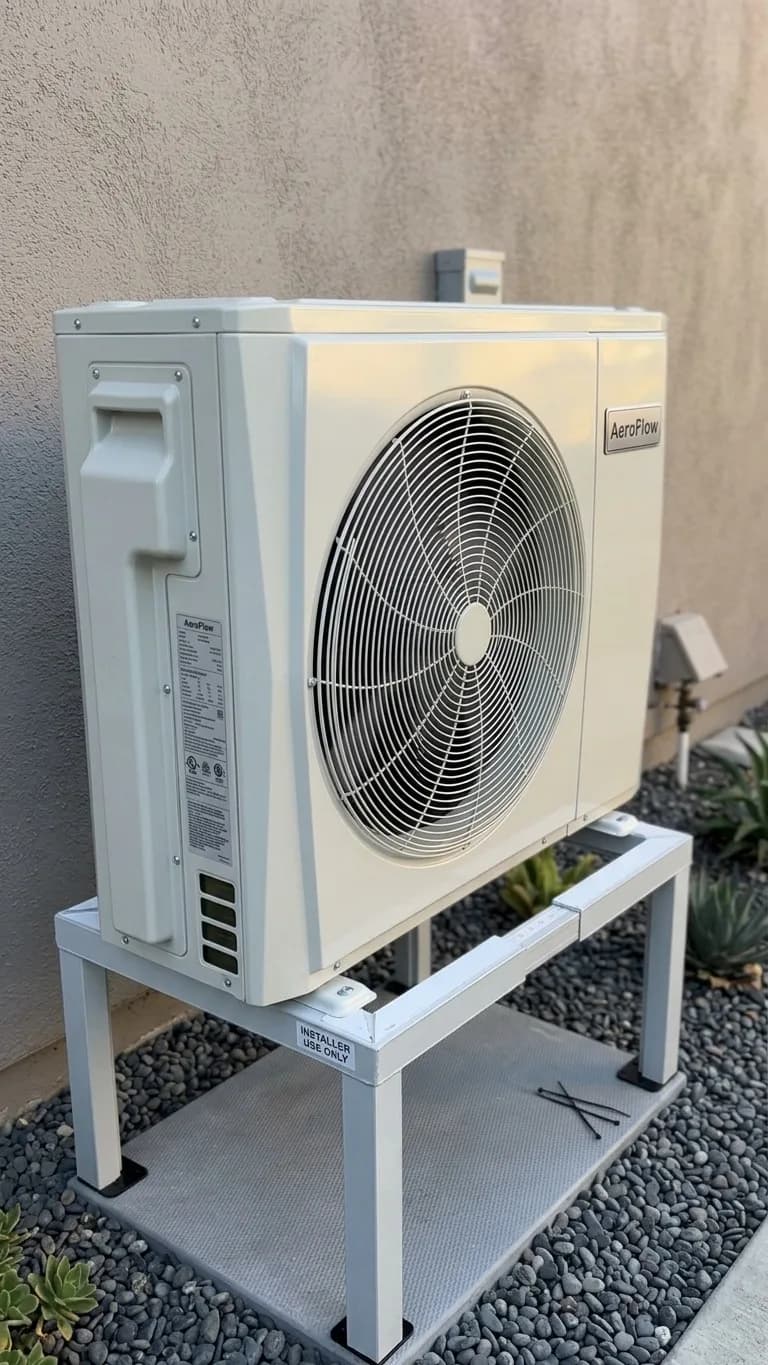
| Cold-climate heat pump (with backup) | $14,000-$20,000 before rebates |
| Cold-climate heat pump alone (no backup) | $8,000-$15,000 before rebates |
The propane premium over gas is modest at the furnace itself — it's mostly the same furnace with a different burner orifice — but the propane install adds a tank lease or buy, propane line, and a refilling relationship.
The electric resistance furnace is cheap to install but expensive to run. The heat pump is expensive to install but the running cost can be 2-3× lower than electric resistance for the same heat output. After current Ontario rebates ($5,000-$10,000 off — see our Ontario heat pump rebate guide), the heat pump becomes the smarter long-term choice for almost any rural home.
See new furnace cost in Oxford County for the deeper pricing breakdown on gas installs.
Natural gas — the default for most Oxford County homes
For homes with Enbridge service at the curb, natural gas is the default for good reasons.
Where natural gas wins:
- Lowest fuel cost per BTU — gas runs roughly 1/3 the cost of propane or electric resistance per unit of heat delivered
- Most refined equipment — modulating, variable-speed, two-stage gas furnaces represent the most mature residential heating technology
- Reliable supply — Enbridge service rarely has outages, even in deep cold
- Fast install — like-for-like replacements typically completed in a day
- No fuel storage required — the gas line provides on-demand fuel without a tank
Where natural gas loses:
- Carbon footprint — natural gas is a fossil fuel, and the carbon-tax-related cost of gas is rising over time
- Equipment lifespan ceiling — gas furnaces top out around 20 years; heat pumps can sometimes go longer
- Comfort during deep cold — single-stage gas furnaces produce on-off blasts of high heat; variable-speed heat pumps deliver gentler continuous heat that some homeowners prefer
For most Oxford County homes that already have a gas furnace and aren't in a position to take on a $14,000-$20,000 heat pump install even after rebates, replacing with another gas furnace is the right move. The math of running the gas system and saving the heat pump money for next renovation is reasonable.
For homes considering a step change in heating system, see our heat pump vs furnace for Oxford County winters guide for the broader decision tree.
Propane — the rural gas alternative
For rural Oxford County homes without natural gas service, propane is the closest equivalent. The equipment is nearly identical to a gas furnace; the fuel comes via tank delivery every few months instead of through a pipeline.
Where propane wins:
- Available anywhere — no infrastructure required, just a tank in the yard
- Furnace tech is mature — propane furnaces are essentially gas furnaces with a different orifice, so the equipment quality is on par
- Lower install cost than electric heat pump — no electrical service upgrade required
- Reliable in deep cold — propane keeps burning at temperatures where heat pumps lose efficiency
- Can also fuel a backup generator, range, water heater, fireplace — multi-use propane is genuinely useful on a rural property
Where propane loses:
- Highest fuel cost — propane runs 2-3× the per-BTU cost of natural gas
- Tank logistics — you're responsible for monitoring tank level, scheduling deliveries, paying rental fees ($50-$150/year) or buying the tank outright
- Rural pricing variability — propane prices fluctuate seasonally and by region; tank-pickup or owner-supplied tanks save money but require more management
- Greener Homes rebates favour heat pump conversions over new propane installs — if you're open to a different system, the rebates push you toward heat pump
For a rural Oxford County home without gas, propane makes sense when:
- The electrical service is too limited for a heat pump (older 100A panel that's already maxed)
- The home runs propane for cooking and water heating already, and a separate fuel feels redundant
- You want fast like-for-like replacement of an existing propane setup
- The deep-cold backup security of a propane furnace is worth the higher operating cost
Electric resistance furnace — mostly backup now
Electric resistance furnaces convert electricity directly to heat via heating elements (similar to a giant toaster). They're cheap to install, simple, reliable. But the operating cost is the highest of any common heat source — every kilowatt-hour of electricity becomes exactly one kilowatt-hour of heat, no efficiency multiplication.
Where electric resistance still makes sense:
- Backup to a heat pump in a hybrid setup — the electric coils kick in for the coldest hours when the heat pump can't carry the load
- Tightly-built newer homes with low heat demand — if your home is well-insulated and your heat load is small, the higher cost per BTU matters less because you use fewer BTU
- Off-grid or solar-powered setups — electric heat works with solar; gas obviously doesn't
- Mobile homes and small additions — install cost matters more than operating cost in some niche cases
Where electric resistance loses:
- Almost always loses to heat pumps now — a cold-climate heat pump delivers 2-3× the heat per kilowatt-hour for the same electricity input. The install premium for the heat pump pays back through lower operating cost on most Oxford County setups
- Highest annual operating cost in the table above — gas is 1/3 the price, heat pump is 1/3 the price, propane is 30% cheaper
For new installs in 2026, the only context where we'd quote a primary electric resistance furnace is a specific application where the heat pump genuinely doesn't fit — usually electrical panel limitations that make a heat pump impractical without expensive panel upgrades.
Oil furnace — phase-out territory
Older Oxford County rural homes sometimes still run oil furnaces. Oil has been phasing out for years and the trend is accelerating:
- Oil delivery infrastructure is thinning out in Ontario
- Oil prices fluctuate sharply with global crude markets
- Newer oil furnaces are still made, but the equipment ecosystem (parts, certified service) is shrinking
- Federal and provincial programs offer specific oil-to-heat-pump conversion rebates
If you have an oil furnace and it's within a few years of end-of-life, almost any other fuel beats it on long-term economics. The most common upgrade path in 2026:
- Oil → heat pump (with electric backup) — biggest rebates, lowest long-term operating cost
- Oil → propane (like-for-like replacement, simpler) — when electrical or layout constraints make heat pump impractical
- Oil → natural gas (rare, only if gas service was extended recently) — best operating cost where available
We'd quote heat pump first for an oil replacement unless something specific rules it out.
AFUE — why it matters per fuel
AFUE (Annual Fuel Utilization Efficiency) is the rating of how much of the fuel's energy gets delivered as heat versus lost up the chimney or vent. Modern Ontario residential furnace installs require 95% AFUE minimum for natural gas and propane.
| Fuel | Minimum AFUE (new install) | Realistic AFUE range |
|---|---|---|
| Natural gas | 95% (legal minimum in Ontario) | 95%-98.5% |
| Propane | 95% | 95%-97% |
| Oil | 83% (legacy) | 83%-95% |
| Electric resistance | 100% (no combustion loss) | 100% |
AFUE matters for gas and propane because the unburned fraction is real money walking out the exhaust pipe. The jump from 95% to 98% saves 3-5% on annual fuel cost — meaningful over a 15-year lifespan.
AFUE doesn't really apply to electric resistance (every kWh becomes heat by definition) or heat pumps (which use COP and HSPF ratings instead because they move heat rather than create it).
When natural gas wins: a typical scenario
A 1,800 sq ft 2-storey home in Woodstock with natural gas at the curb. Existing 18-year-old 80% AFUE furnace at end of life. Annual gas use historically around 2,500 m³.
Options:
- Replace with 96% AFUE gas furnace — $5,500-$7,500 installed. Annual gas cost roughly $1,500-$1,900 (depends on rates). Equipment lifespan 15-20 years.
- Replace with cold-climate heat pump (no gas backup) — $9,000-$13,000 installed after rebates. Annual electricity cost roughly $1,400-$2,200. Equipment lifespan 12-18 years.
- Hybrid — heat pump + new high-efficiency gas furnace — $14,000-$18,000 installed after rebates. Annual cost roughly $1,200-$1,800 (heat pump for mild months, gas for deepest cold). Equipment lifespan 15-18 years for both systems.
For a homeowner staying in the house long-term, option 3 has the best long-term economics. For a homeowner replacing a working furnace primarily for reliability, option 1 is cheapest and simplest. Option 2 only makes sense if the home is well-insulated and the homeowner wants to be off gas — a niche but valid choice.
When propane wins: a typical rural scenario
A 1,400 sq ft single-storey home in rural Oxford County, no gas service, existing oil furnace at end of life. 100A electrical panel that's near capacity.
Options:
- Replace oil with propane furnace — $6,500-$9,000 installed plus tank lease setup. Annual propane cost roughly $2,500-$3,800. Equipment lifespan 15-20 years.
- Convert oil to cold-climate heat pump (no backup) — needs 200A electrical panel upgrade ($3,000-$4,500) plus heat pump install ($14,000-$18,000 before rebates, $7,000-$11,000 after). Total: $10,000-$15,500 after rebates. Annual electricity cost roughly $1,500-$2,400.
- Convert oil to propane + electric heat pump backup — $14,000-$20,000 after rebates. Annual cost roughly $1,300-$2,000. Most flexible but highest install cost.
For this scenario, option 2 (heat pump with electric upgrade) ends up being the strongest long-term economics in 2026 — current rebates plus low operating cost beat propane's 2-3× higher fuel cost over a typical 15-year hold period. Option 1 (straight propane) makes sense if the homeowner wants simplest install and is okay paying more annually for that simplicity.
How we approach the fuel decision at the quote
When we quote a new install where fuel choice is in play, the conversation goes:
- Do you have natural gas at the curb? — If yes, gas is the starting point unless rebates push you toward heat pump or you want to go off fossil fuels.
- What's your annual heating demand? — Tighter, smaller homes have more flexibility because total heat use is small enough that operating cost differences matter less.
- What's your electrical service? — 200A is the easy case. 100A means a panel upgrade if you want a heat pump.
- How long are you planning to stay in the home? — Short-term hold (under 5 years) favours lower install cost. Long-term favours lower operating cost.
- Do you care about being off fossil fuels? — Some customers do, some don't. Drives whether we lead with heat pump or gas.
- Are rebates a factor? — Current Ontario stack on heat pumps is $5,000-$10,000 off. That's real money on the install math.
We don't push one fuel — we spec what fits the situation. For most natural-gas-serviced Oxford County homes the answer is still a high-efficiency gas furnace. For most rural homes without gas, the answer is a heat pump.
Common questions
Is a heat pump the same as an electric furnace?
No, fundamentally different. An electric resistance furnace converts 1 kWh of electricity to 1 kWh of heat (100% efficient). A heat pump uses 1 kWh of electricity to move 2-3 kWh of heat from outside to inside (250-350% efficient on the right day). The heat pump is dramatically cheaper to operate.
Do heat pumps work in Ontario winters?
Cold-climate heat pumps work effectively down to about -25°C. For Oxford County design temperatures (-18°C), properly-sized cold-climate equipment handles 85-90% of winter heating hours efficiently. The coldest hours need a backup — either gas furnace (hybrid) or electric resistance coils. See our heat pump vs furnace for Oxford County winters guide.
Should I run a gas line for a furnace if natural gas is in the area but not at my property?
Depends on the distance and cost. Enbridge will sometimes contribute partial install cost if the run is short. Beyond a few hundred feet, the install cost can be $5,000-$30,000+. At that price, a heat pump with rebates is often the better path.
What about wood or pellet stoves as primary heat?
Niche but valid for some rural properties. Wood is cheap fuel if you have a wood lot and don't mind the labour. Pellet stoves are more convenient but still require fuel storage and refilling. Both work best as a supplement to a central system, not as the sole heat source — Ontario building code generally requires a fuel-fired or electric backup for new construction.
Why is propane so much more expensive than natural gas?
Two reasons: the per-unit fuel cost is higher (no pipeline infrastructure to spread the cost), and propane has lower energy density per cubic foot (so you need more of it). The 2-3× gap is structural; it isn't going away even if propane prices drop.
Will Ontario phase out natural gas furnaces?
Not in the near term. The federal building code review and Ontario's climate plan both push electrification but don't ban gas furnace installs as of 2026. The carbon tax on natural gas continues rising annually, which will slowly tilt the economics toward heat pumps. For practical purposes, gas furnaces installed in 2026 will operate through their full lifespan without regulatory disruption.
How much electrical capacity do I need for an electric furnace vs a heat pump?
Electric resistance furnaces need 60-80A of dedicated 240V circuit for an average home — usually requires a 200A panel. Heat pumps need 30-50A for the compressor plus another 30-60A if electric backup coils are installed for the coldest weather. Most heat pump installs total need around 200A panel capacity, so the electrical upgrade question often comes up.
Ready to talk fuel options?
We'll come out, look at your gas situation, electrical capacity, and existing equipment, and quote the realistic options for your specific home. No brand bias, no pressure to switch fuels if it doesn't make sense.
Request a quote or read more on furnace installation, new furnace cost in Oxford County, heat pump cost Ontario, and heat pump vs furnace. Service area: Woodstock + 30-minute radius covering Ingersoll, Tillsonburg, Tavistock, Norwich, Embro, Innerkip, Thamesford, Beachville, Salford, Mount Elgin, Burgessville, and Plattsville.
Common Questions
Frequently asked
Is gas, electric, or propane cheaper to heat with in Ontario?
By cost per million BTU delivered: natural gas $9-$13, heat pump $10-$18, propane $25-$40, electric resistance $33-$48. Natural gas wins on operating cost when available. Heat pumps come close because their efficiency multiplier (250-350%) offsets electricity's higher per-kWh cost. Propane and electric resistance are dramatically more expensive per unit of heat delivered.
Should I install a heat pump instead of an electric furnace?
Almost always yes in 2026. A cold-climate heat pump delivers 2-3× the heat per kWh of electricity compared to an electric resistance furnace. The install premium pays back through operating cost savings on most Oxford County setups. Current Ontario rebates of $5,000-$10,000 off heat pump installs make the math even stronger.
How much does a propane furnace cost vs a natural gas furnace?
Equipment cost is similar — the propane furnace is essentially a gas furnace with a different burner orifice. Like-for-like replacement: $4,500-$9,500 for natural gas, $5,200-$10,500 for propane. The propane premium covers tank lease setup, propane line install, and the delivery relationship. Propane operating cost runs 2-3× natural gas.
When does propane make sense for a rural Ontario home?
When the home has no natural gas service, the electrical panel is too limited for a heat pump (older 100A panel that's maxed), the home already uses propane for cooking and water heating, or fast like-for-like replacement of an existing propane setup is the priority. Otherwise, a heat pump usually wins long-term economics.
Are oil furnaces still worth keeping?
Generally no in 2026. Oil delivery infrastructure is thinning out in Ontario, prices are volatile, and federal/provincial programs offer specific oil-to-heat-pump conversion rebates. The most common upgrade paths from oil are heat pump (best long-term) or propane (simpler retrofit when electrical or layout constraints rule out heat pump).
Will Ontario phase out natural gas furnaces?
Not in the near term. The carbon tax on natural gas continues rising annually, which slowly tilts economics toward heat pumps, but gas furnace installs in 2026 will operate through their full lifespan without regulatory disruption. The shift is happening through economics and rebates, not bans.